Motivating large enterprises to donate to climate causes by targeting the needs of their employees
This strategic design project took place within the framework of a course at the BSDC, in cooperation the NGO Active Philanthrophy (AP). The aim of the project was to find a new communication strategy for the NGO, which would help them gain new clients and improve their workflow. AP is engaged in mediating between wealthy philanthropists and NGOs worldwide, seeking to mitigate the impacts of the climate crisis by finding funding for climate NGOs and helping wealthy clients discover NGOs that align with their interests.
Our team of students consisted of three members: me, Ashwini Narayanan and Ole Marius Nilsen. We developed a solution using design thinking and strategic design methods to help secure more donations from large corporations.
The project resulted in three different prototypes and a 196-page publication summarizing our activities.
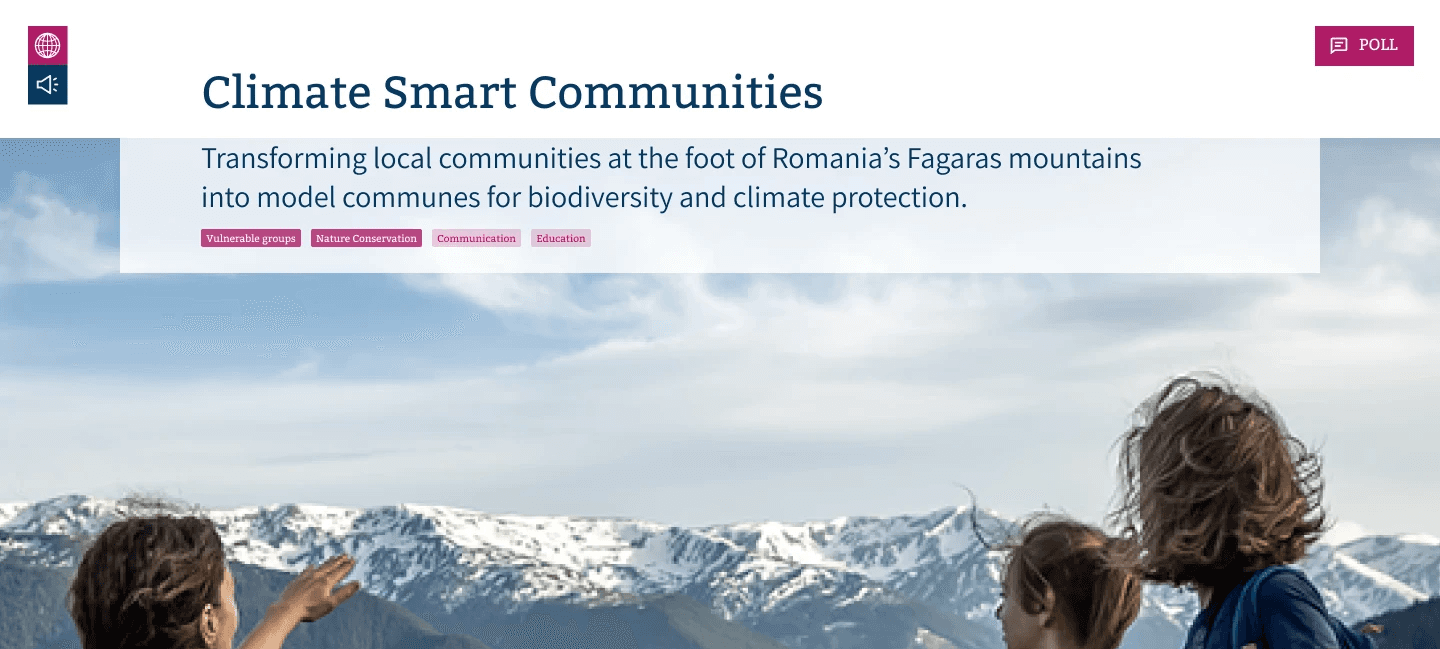
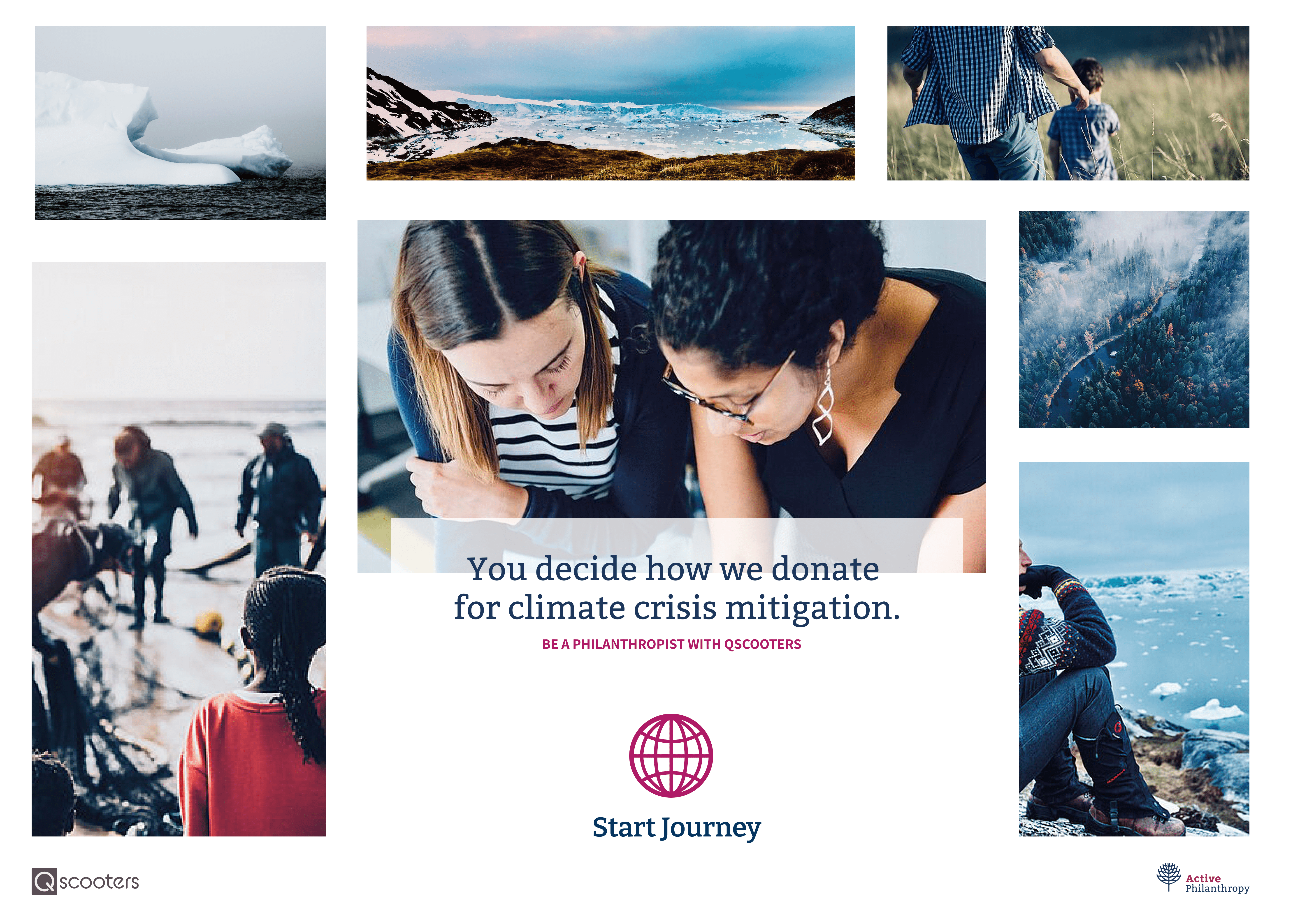
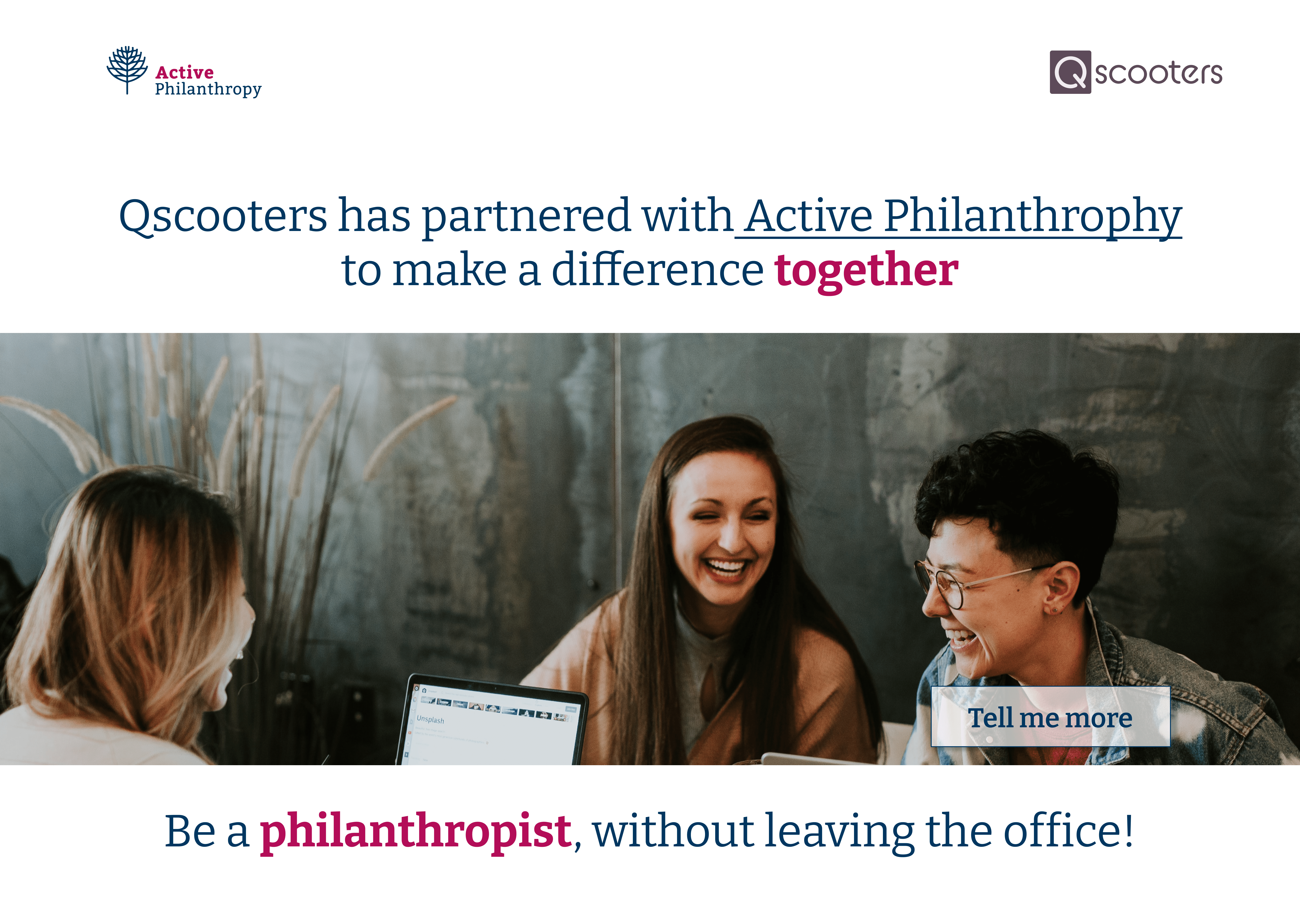
A cornerstone of our solution was the development of an innovative user interface, designed to expand Active Philanthropy’s donor base among major corporations. By enabling employees to actively participate in the donation process, we fostered a sense of collective engagement in addressing the climate crisis—thereby elevating their perception of their workplace’s social impact and value.
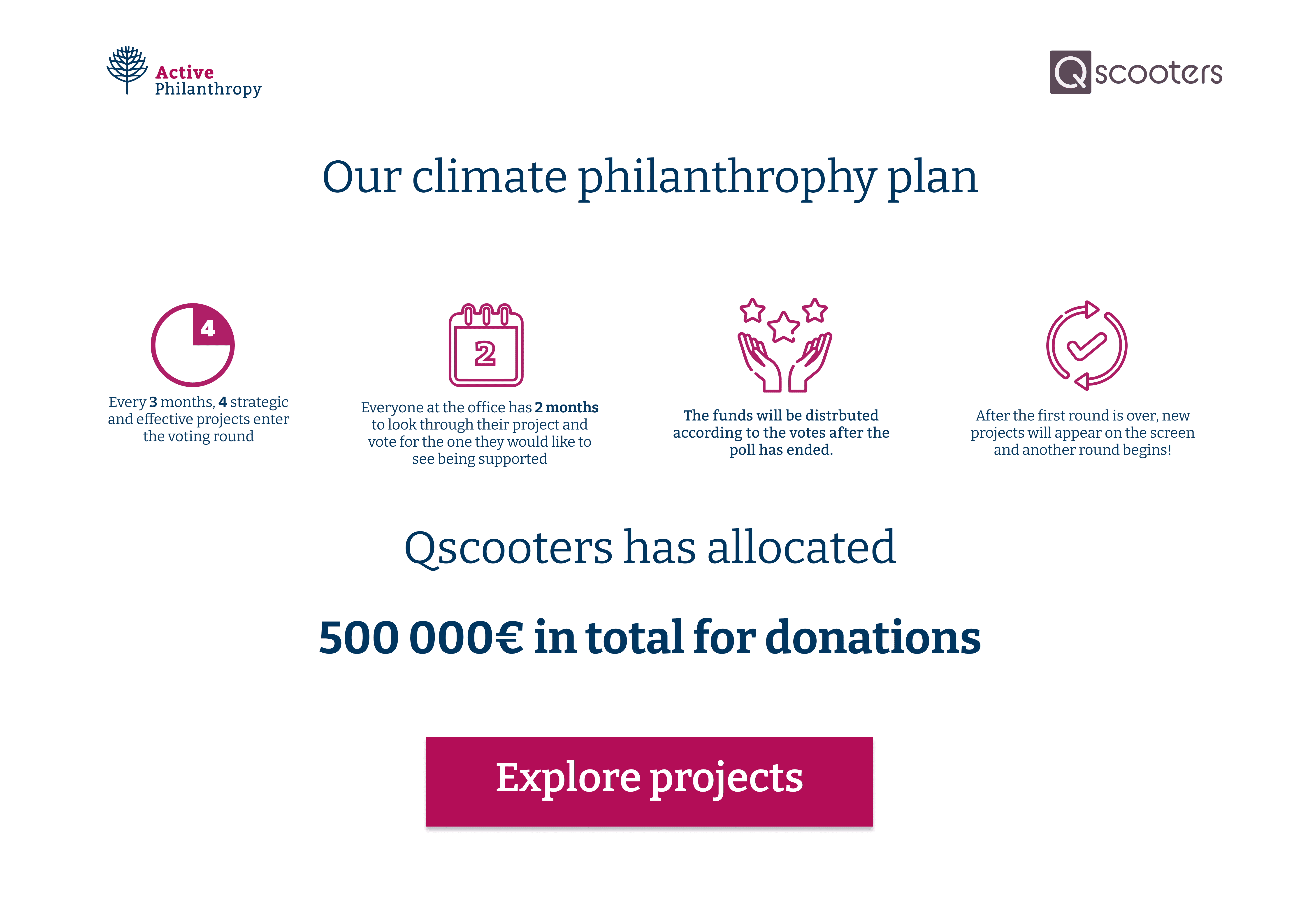
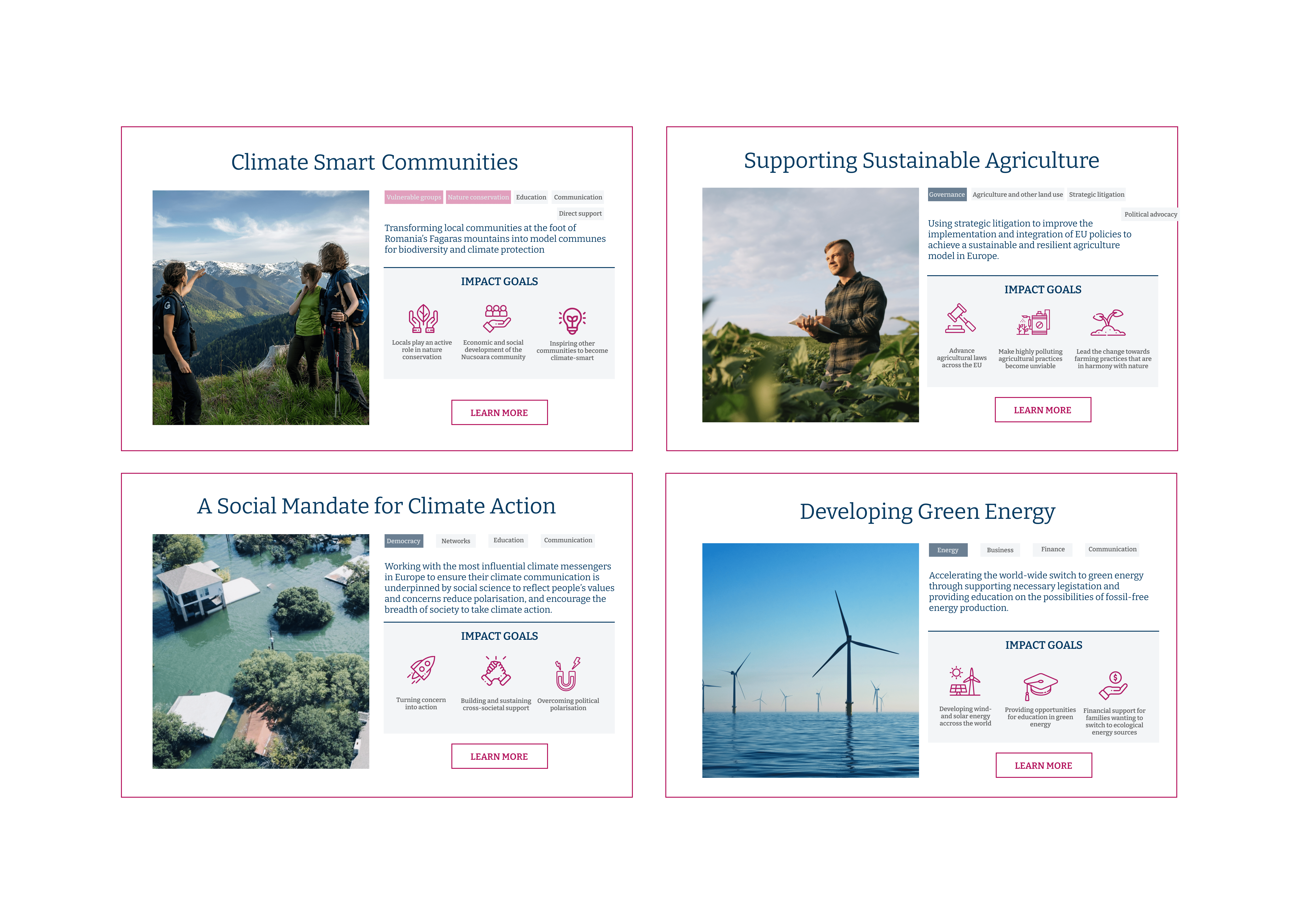
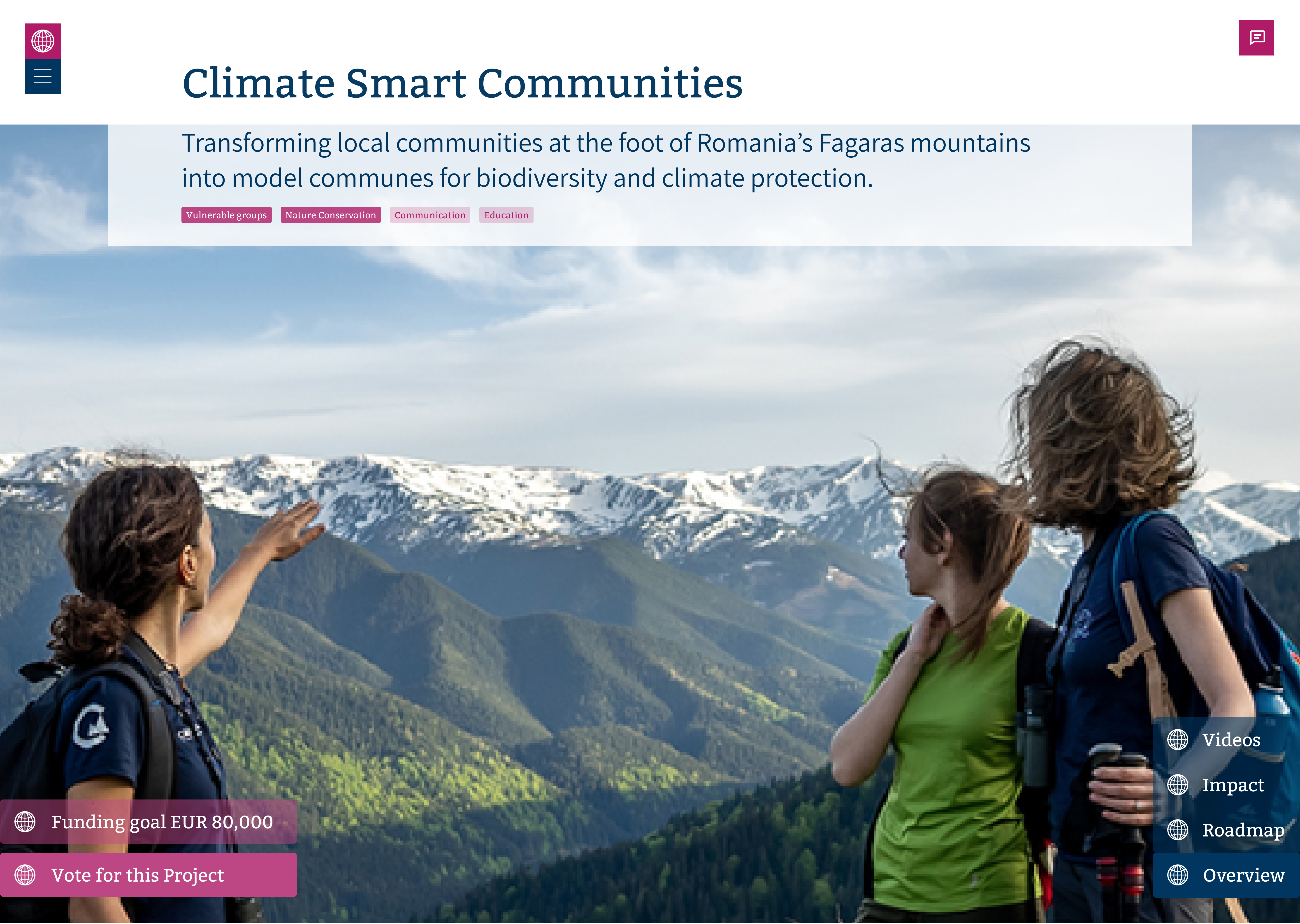
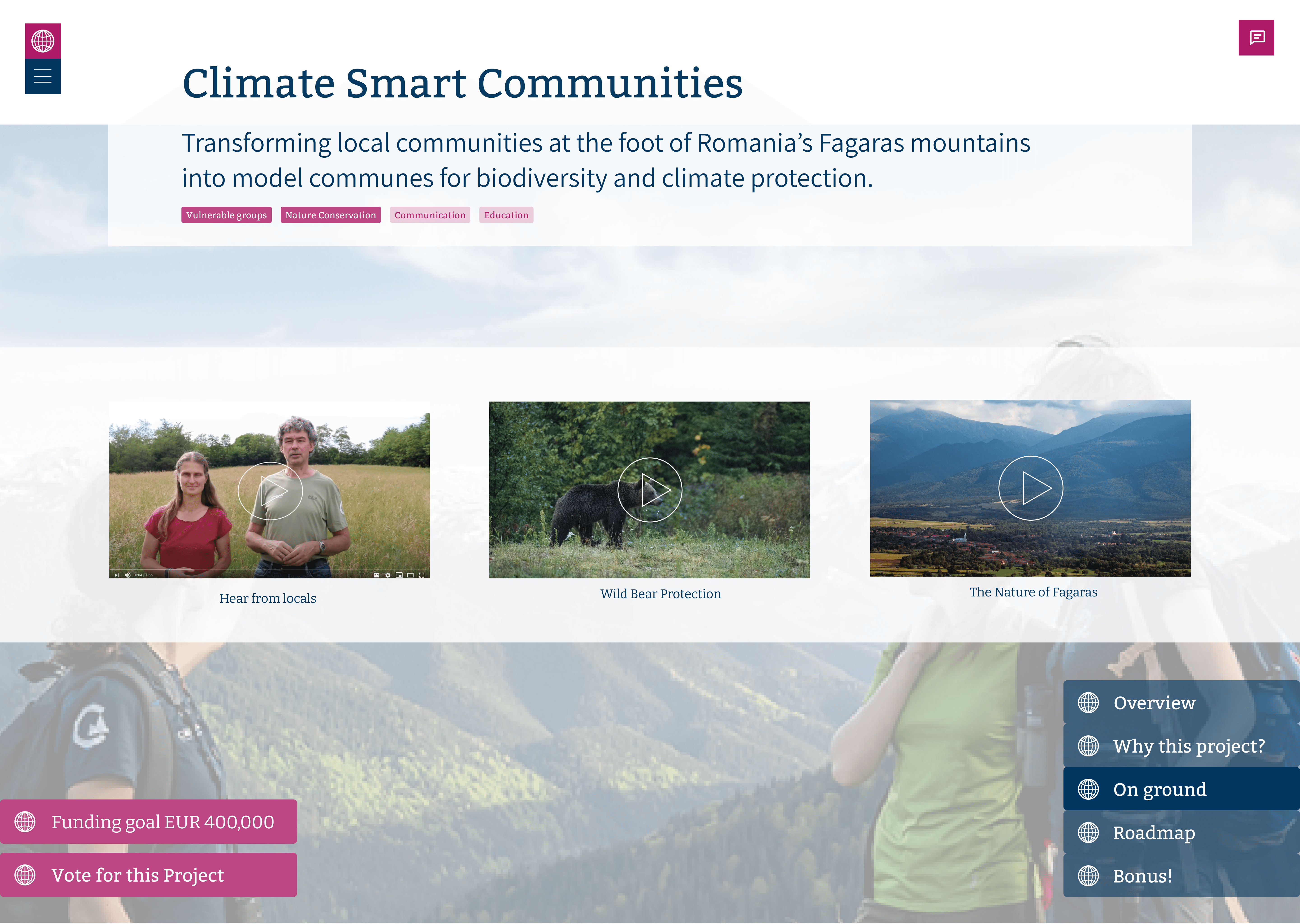
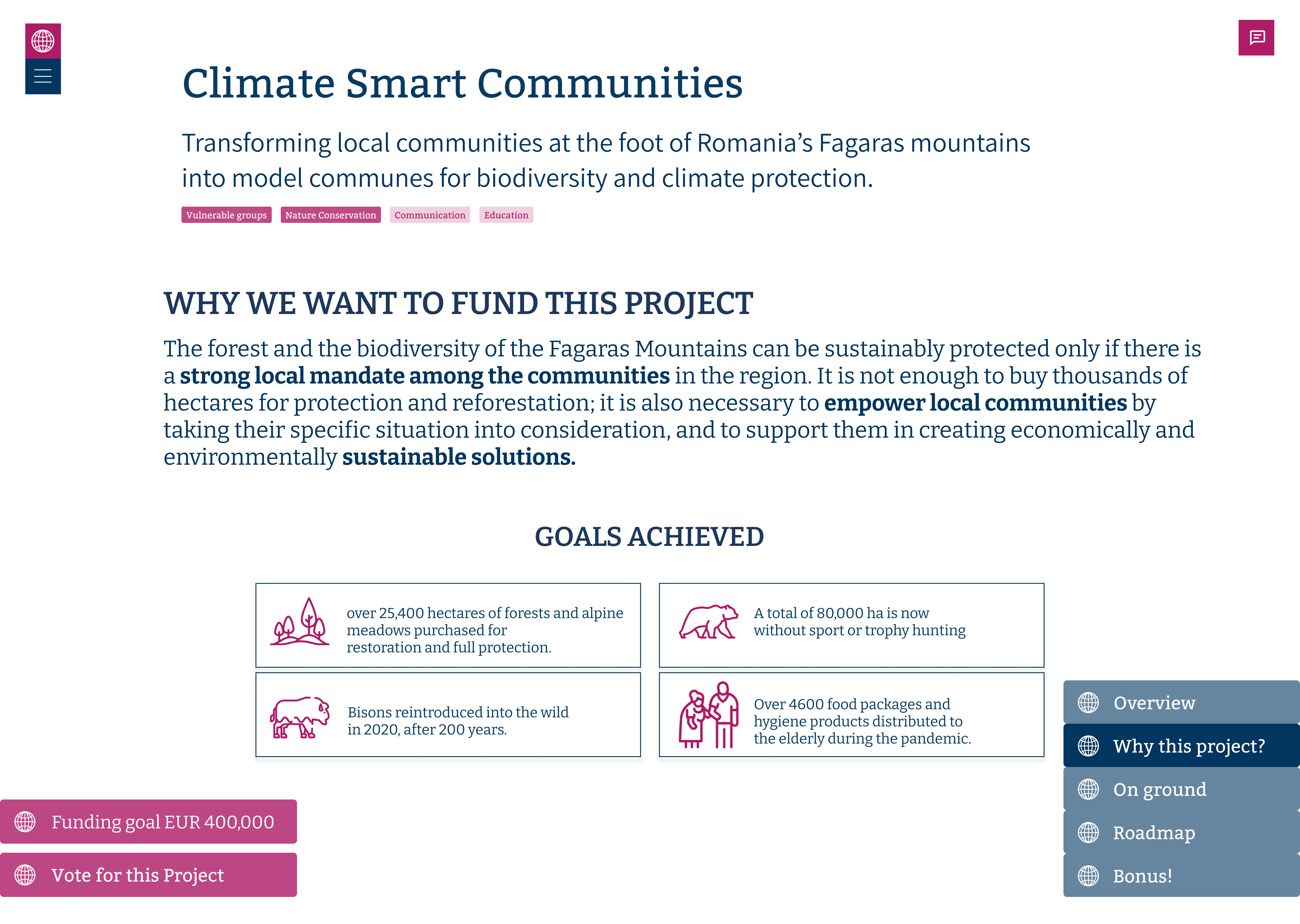
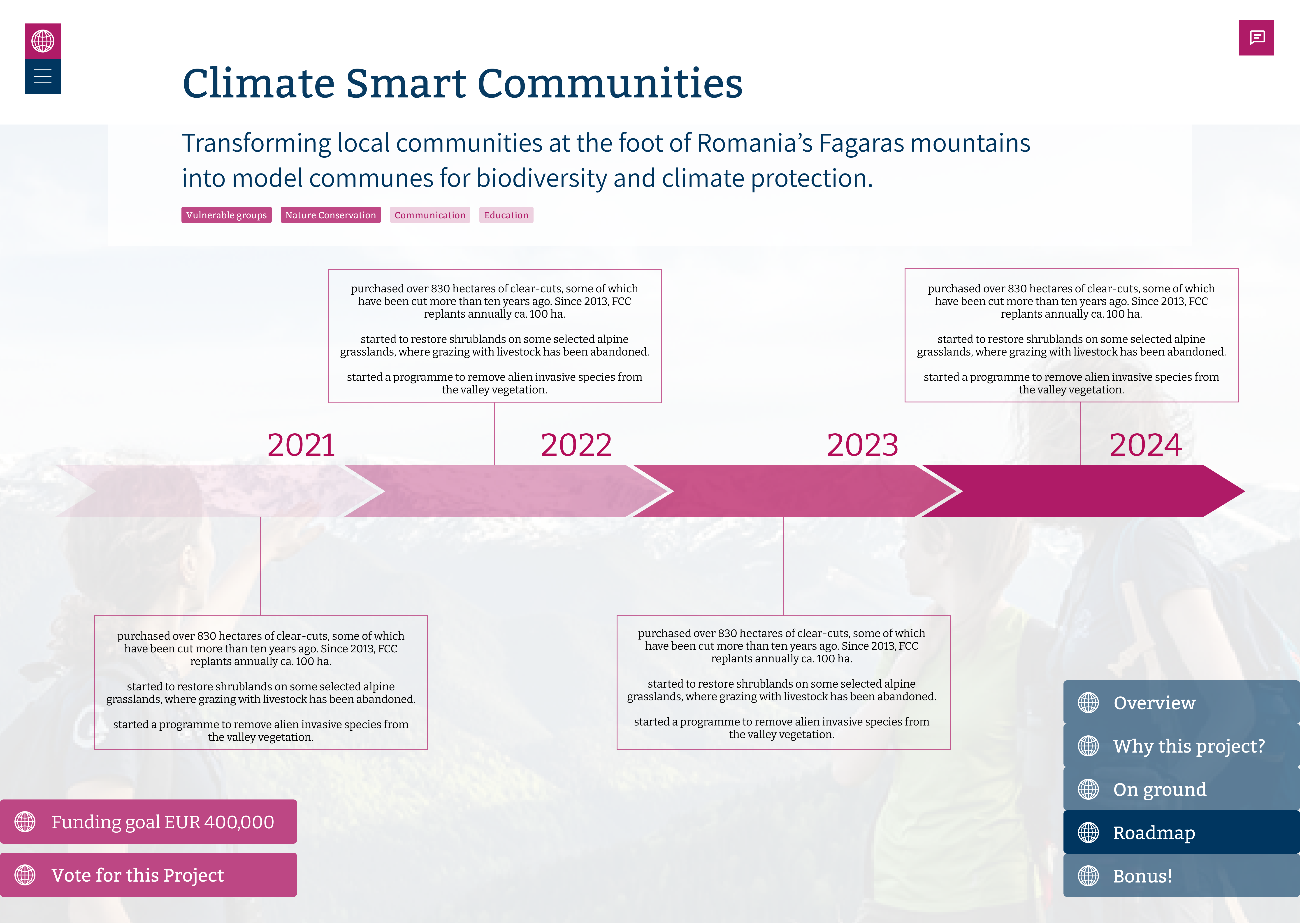
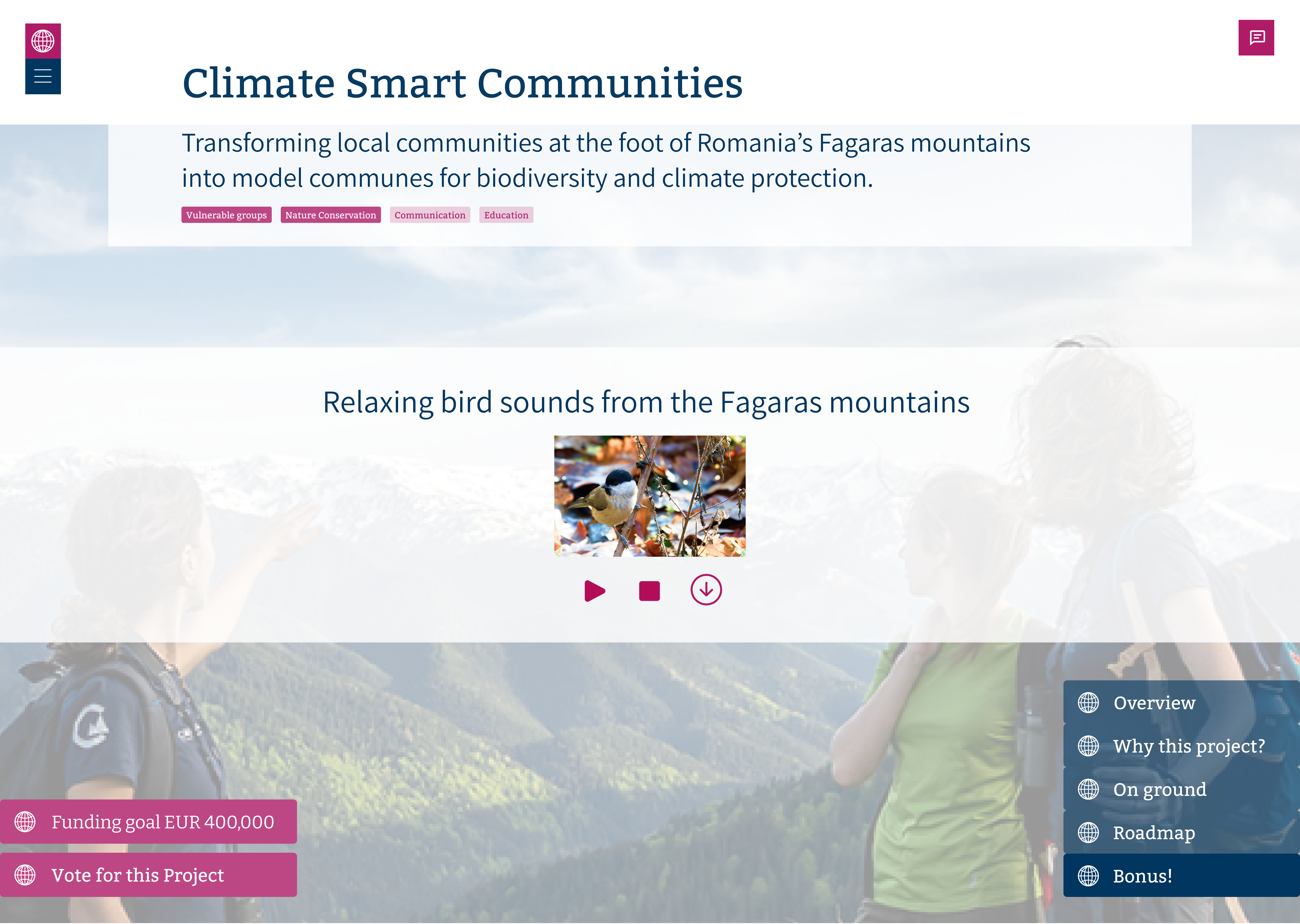
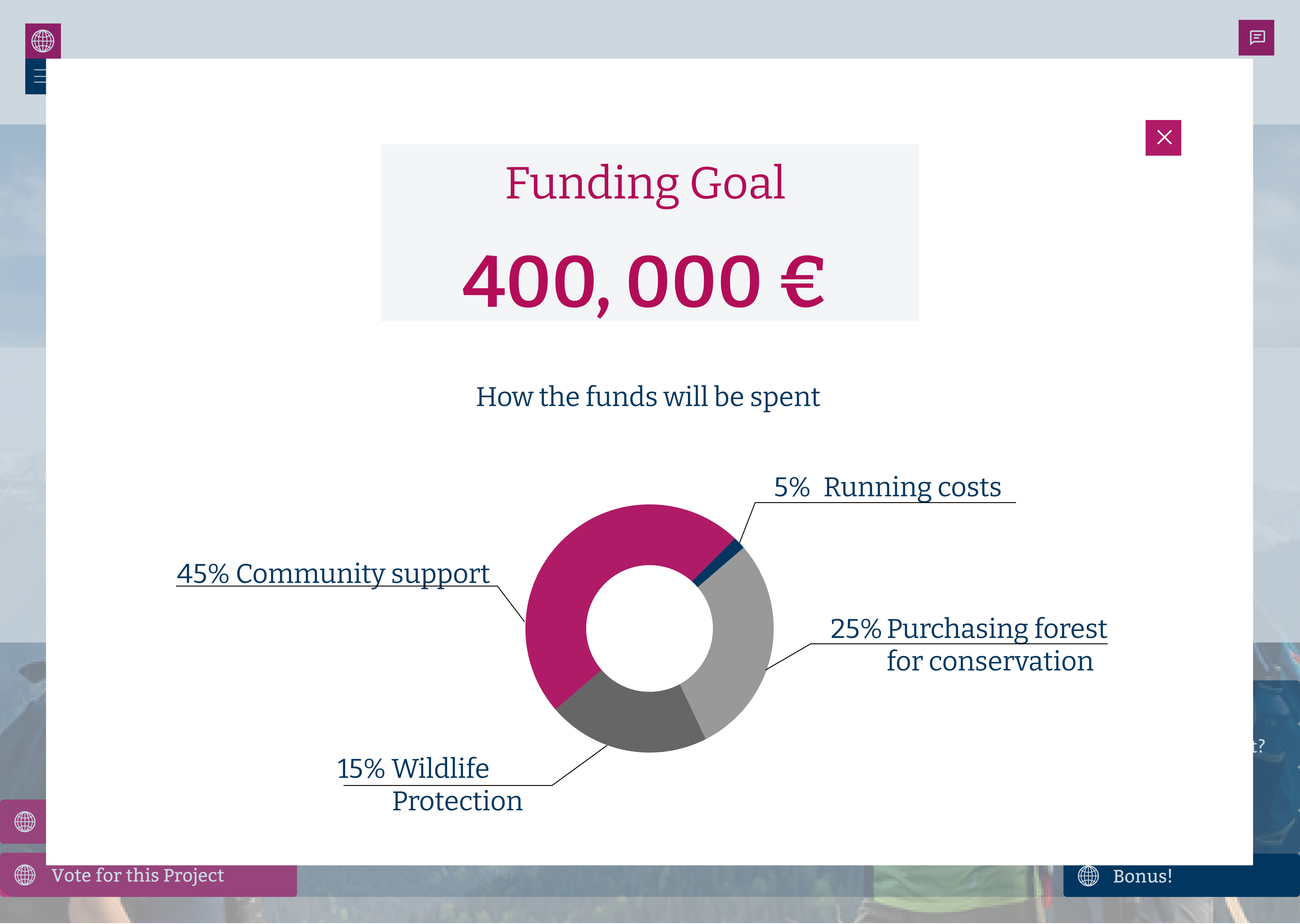
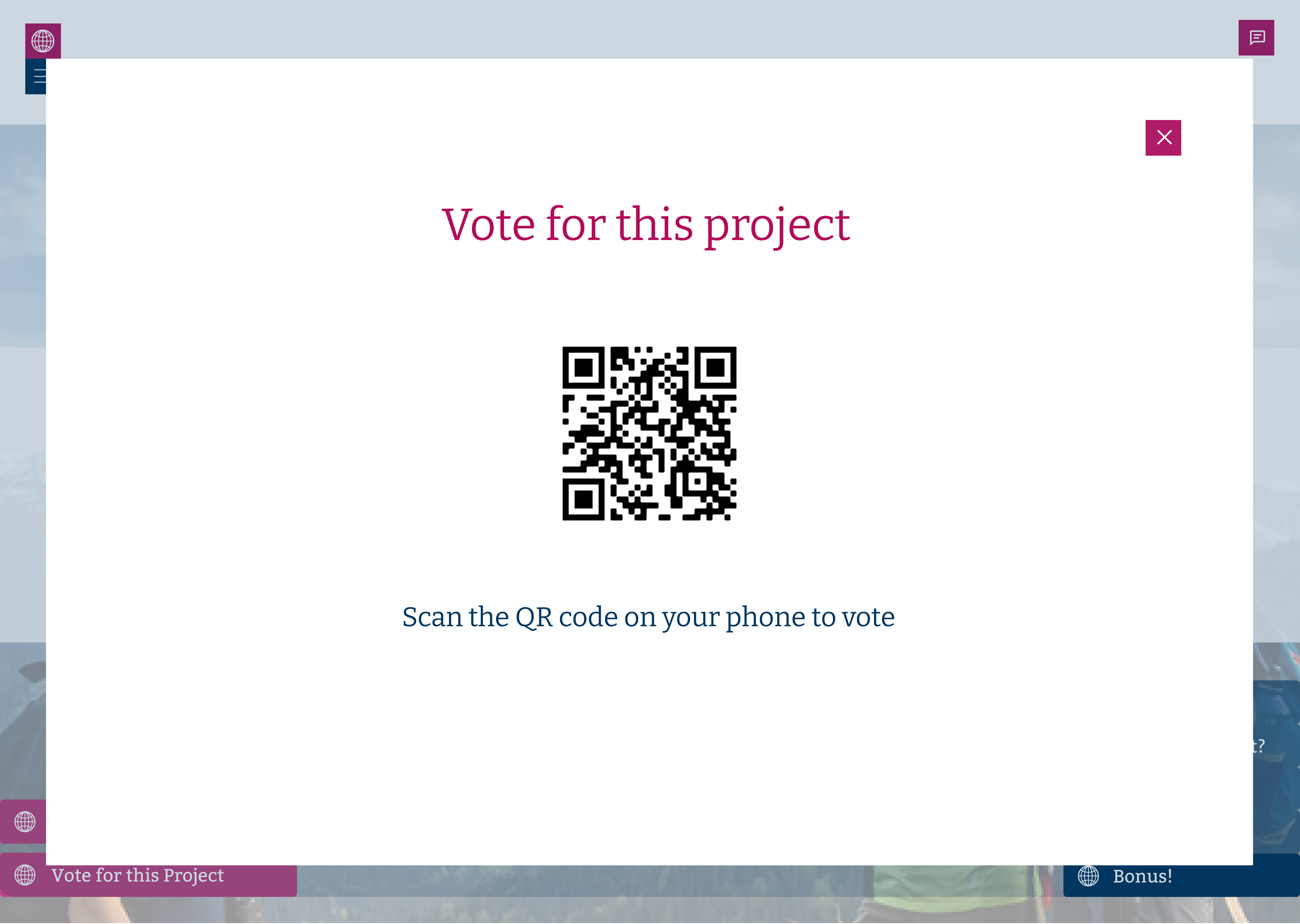
Through the user interface, accessible within the office, employees can explore information about the projects supported by Active Philanthropy and cast their votes for their preferred initiatives. The project that garners the most votes ultimately receives the donation funds contributed by the employer.
The Process
The process of developing the solution consisted of four major phases: research, synthesis, ideation, and prototyping. In the research phase, we aimed to gain a deep understanding of the topic. A crucial part of this phase was conducting interviews with members of Active Philanthropy, as well as employees of large corporations and NGOs. In total, we spoke with over 10 representatives from various stakeholders.
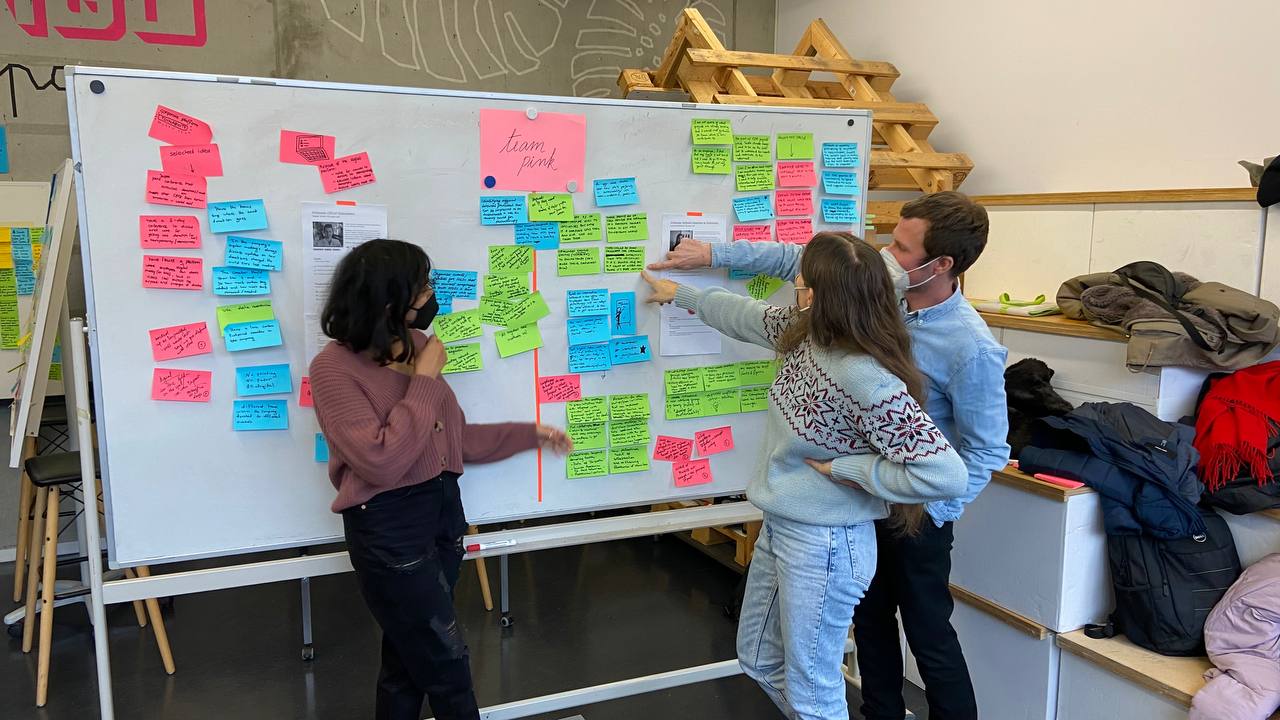
During the synthesis phase, we analysed the information gathered from the interviews using design thinking methods, striving to find the most optimal solution considering the different stakeholders involved.
In the ideation phase, we brainstormed ideas within our team and involved others from our course. Through iterative sorting and analyzing of the ideas, we were able to identify the best solution, which we proceeded to implement in the next phase.
In the prototyping phase, we worked with the finalised solution, giving it a visual form and a feasible dimension through a business model.